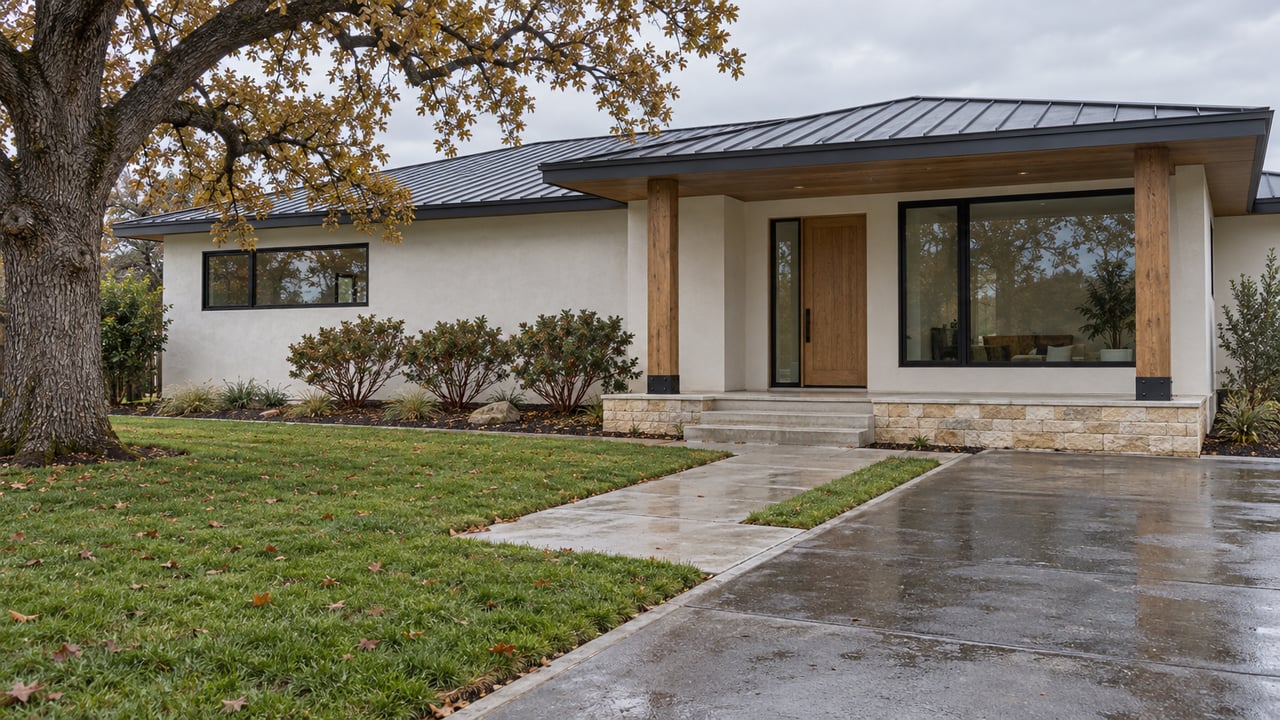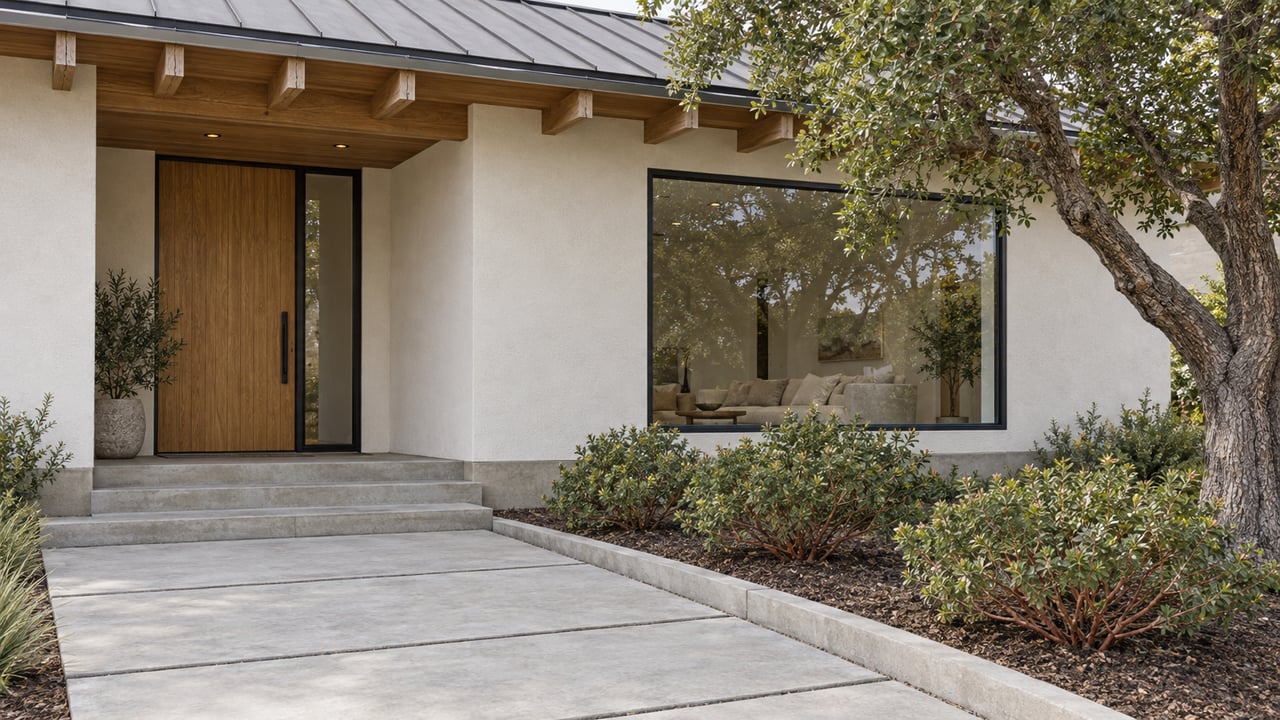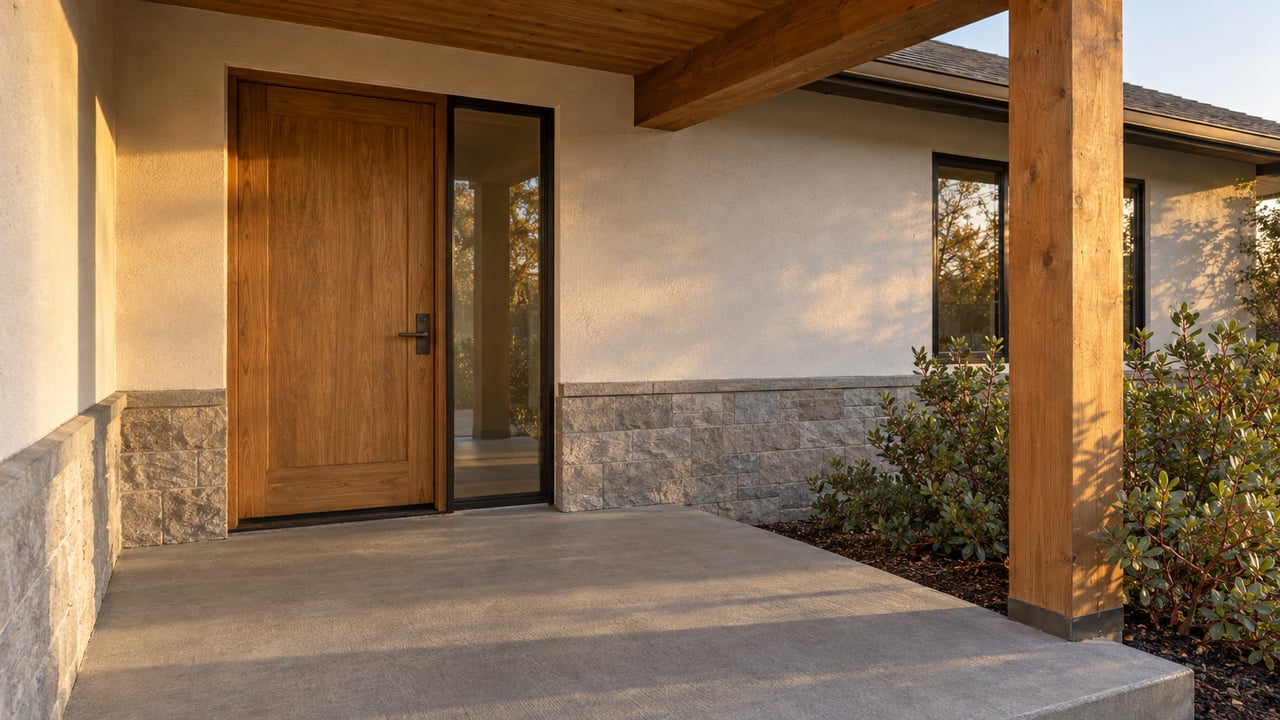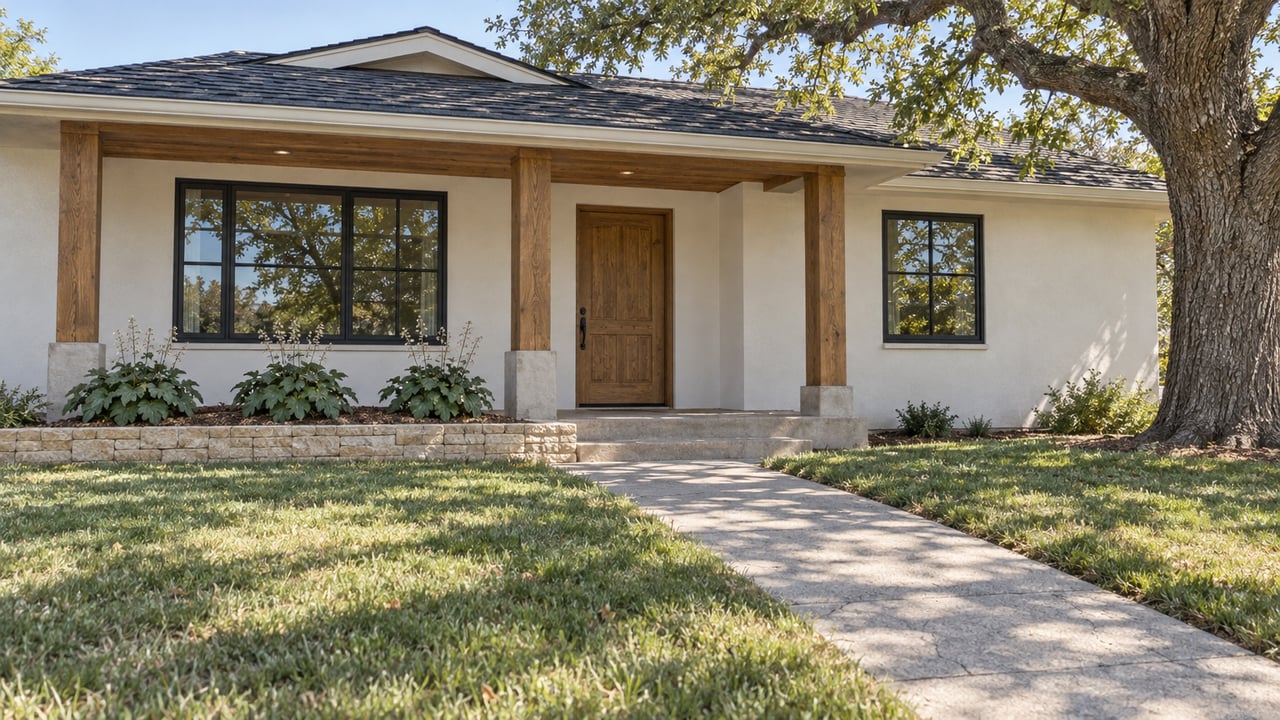
Two buyers can look at the same headline number this month, the same county-wide median hovering around $1.6 million, and walk into two completely different transactions. One writes an offer in Willow Glen and finds herself in a bidding scrum with a shortened inspection window and an escalation clause. The other tours a house in Berryessa, makes an offer at list price, counters twice, and closes five weeks later with time to spare. Same county. Same median. Nothing else about the experience matches.
That gap is the thing worth understanding before you start comparing Santa Clara County to anywhere else, or comparing one part of it to another. The county median isn't describing one market. It's averaging together at least three markets that behave on different clocks, follow different negotiating scripts, and in some cases run into different financing rules entirely.
The Number That's Actually Three Numbers
Over the three months ending May 2026, Santa Clara County's median sale price was $1.6 million, down 4.9% from the same period a year earlier, with homes taking a median of 15 days to sell and 1,215 homes changing hands that May, up from 1,072 the year before. That's the county figure most portals will show you.
Zoom into the city of Santa Clara alone and the three-month window ending May 2026 shows a $1.7 million median, down 3.5% year over year, with homes selling in about 12 days. Zoom into San Jose, the county's largest city and the one with the most internal variation, and April 2026 data put the median closer to $1.5 million, essentially flat year over year.
Three numbers, three geographies, all technically true, all describing overlapping but different populations of homes. And San Jose's number is itself a blend. West San Jose and Willow Glen were trading in the $1.8 million to $2.5 million range in 2026, while homes in East San Jose started under $900,000. A single city median sitting in between tells you almost nothing about what you'd actually pay to live in either place.
Widen the lens further and the distortion compounds. In the first quarter of 2026, the National Association of Realtors ranked the San Jose-Sunnyvale-Santa Clara metro as the most expensive housing market in the country, with a metro-wide median of $2,030,000. That figure folds in Cupertino, where 2026 single-family medians ran $2.8 million to $3.3 million, and Palo Alto and Los Altos Hills, both well outside what most buyers touring Berryessa or Cambrian Park will ever see on a comp sheet. The metro number is real. It's also not the number that applies to most of the county's housing stock.
The Sub-Market Buyers Actually Compete In
Strip away the headline figures and the county sorts into three groups that behave nothing alike.
| Sub-market | Named areas | Typical pace | 2026 price signal | What it means for buyers |
|---|---|---|---|---|
| Prime price tier | Willow Glen, Almaden Valley, Cambrian Park | 8 to 19 days | Willow Glen and Almaden both cleared $2 million in 2026, with Almaden running higher and appreciating more slowly at that elevated base | Multiple offers are the default, not the exception |
| Mid-tier suburbs | Berryessa, Evergreen, North San Jose | 25 to 45 days | Below the prime tier, older housing stock in these tracts | Counter-offers, negotiated terms, real buyer leverage |
| Entry corridor | East San Jose, Alum Rock | Longer and financing-dependent | Entry points under $900,000 | FHA and VA buyers more common, unpermitted work more common |
Willow Glen homes were averaging about 11 days on market in 2026, with the hottest listings gone in 8, and selling 5% to 12% over list. Almaden Valley moved at a similarly brisk pace, helped along by larger lots and newer construction than much of the rest of San Jose, plus draws like the Almaden Quicksilver County Park and its more than 4,000 acres of trail. Cambrian Park, by contrast, is older housing stock on bigger lots, built mostly in the 1950s and 1960s, anchored by the Cambrian Park Plaza commercial strip and priced a step below its Willow Glen and Almaden neighbors, even though it shares the same fast-moving, multiple-offer posture.
That posture shows up in the paperwork. In neighboring Cupertino and Sunnyvale, where 2026 market observers describe offer dynamics matching what Willow Glen, Almaden, and Cambrian buyers already see, a competitive offer commonly means five to fifteen percent over list, an inspection contingency shortened to ten days instead of the more typical seventeen, and an appraisal gap clause where the buyer agrees to cover some of the difference if the home appraises low. In the tightest school-zone competition, some buyers skip the inspection contingency altogether and instead pay $500 to $800 out of pocket for a pre-offer inspection, buying the same information without handing the seller a negotiating lever.
Where the Clock Actually Slows Down
Berryessa, Evergreen, and North San Jose run on a different schedule. These are older tracts, and the transactions inside them look more like a traditional negotiated sale: properties sitting 25 to 45 days, counter-offers moving back and forth, and buyers holding enough time to actually think. If your mental model of Santa Clara County came from a headline about bidding wars, this is the corner of the county that quietly contradicts it. It's not that these areas lack demand. It's that the demand doesn't force the same speed or the same waived-contingency behavior that Willow Glen and Almaden see.
That distinction matters most for buyers coming from outside the region, who often assume the entire county moves at Silicon Valley's fastest gear. Structuring an offer for a 45-day negotiation the same way you'd structure one for an 8-day sprint means either overpaying where you didn't need to, or losing a house where you underbid.
The Corridor Where Due Diligence Changes Shape
East San Jose and Alum Rock sit at the other end of the spectrum, and the difference isn't just price. Buyers here lean more heavily on FHA and VA financing, which brings more inspection contingencies into the process and a higher chance that a deal falls apart over financing terms rather than price. It's also the part of the county where unpermitted work shows up most often: converted garages counted as bedrooms, additions built without permits, and ADUs constructed before the state's current accessory dwelling rules made them straightforward to legalize.
None of that makes the entry corridor a lesser place to buy. It means the due-diligence conversation is different. A buyer touring a $1.9 million home in Willow Glen and a buyer touring an $850,000 home in East San Jose should be asking their inspector two different sets of questions, because the risk sitting inside each property is different in kind, not just in dollar amount.
The Loan Limit That Quietly Reorganizes the Whole County
There's one number that applies uniformly across Santa Clara County and still manages to hit buyers unevenly depending on which sub-market they're shopping in: the conforming loan limit. According to Jumbo Mortgage Source, the 2026 baseline conforming loan limit for a single-family home across most of the country is $832,750. Santa Clara County, designated a high-cost area by the Federal Housing Finance Agency, carries a ceiling of $1,249,125 for a one-unit property, a threshold confirmed across multiple 2026 mortgage industry sources.
That gap is the reason a $1.2 million loan is still a conventional, conforming loan here, when the same loan amount would be jumbo almost anywhere else in the country. It also explains why the county's sub-markets interact with financing so differently. A buyer purchasing an $850,000 home in East San Jose is comfortably inside the conforming limit before they even open a mortgage application. A buyer purchasing a $2 million home in Almaden Valley or Willow Glen is well past it and into jumbo territory, which typically means a higher credit score threshold, a larger down payment, and more documentation, regardless of how fast the local market is moving. The county's price bands and its financing bands are two separate maps, and they don't line up perfectly with each other.
What This Means Before You Write an Offer
The county median isn't wrong. It's just doing the job of one number trying to describe three markets that don't behave the same way. Before you decide whether Santa Clara County is priced the way you expected, or whether a particular offer strategy makes sense, the more useful question is which of these three games you're actually playing, and whether your financing, your timeline expectations, and your inspection strategy match it.
Is a lower median in East San Jose a sign of lower long-term value? Not necessarily. It reflects a different housing stock, a different buyer pool relying more on FHA and VA financing, and a market that moves on a longer timeline than the prime tier. Price and long-term value are separate questions, and neither should be read off a single median.
Should I expect homes to spend the same time on the market everywhere in the county? No. Prime tier homes in Willow Glen and Almaden Valley were generally on the market for single-digit to high-teens days in 2026, while homes in Berryessa and Evergreen were on the market for 25 to 45 days. Misreading those market-time differences can leave you unprepared for the level of competition or leverage available.
Does the high conforming loan limit mean everyone in the county avoids jumbo financing? No. It raises the ceiling to $1,249,125 for a one-unit property, well above the national baseline of $832,750, but many homes in the prime tier still price above that ceiling, which means jumbo financing remains part of the conversation for a meaningful share of county buyers.
If you're comparing Santa Clara County against another part of Northern California, or trying to figure out which of its neighborhoods actually fits your budget and your timeline, that's the conversation worth having before you tour a single house. Amy Thomas has spent more than two decades working across California's Central Valley, Sacramento region, and Bay Area markets, including transactions throughout Santa Clara County, and can help you read what a specific price actually means in a specific neighborhood. Let's Connect.
This article is general information, not legal, tax or financial advice. Consult a qualified professional about your situation.